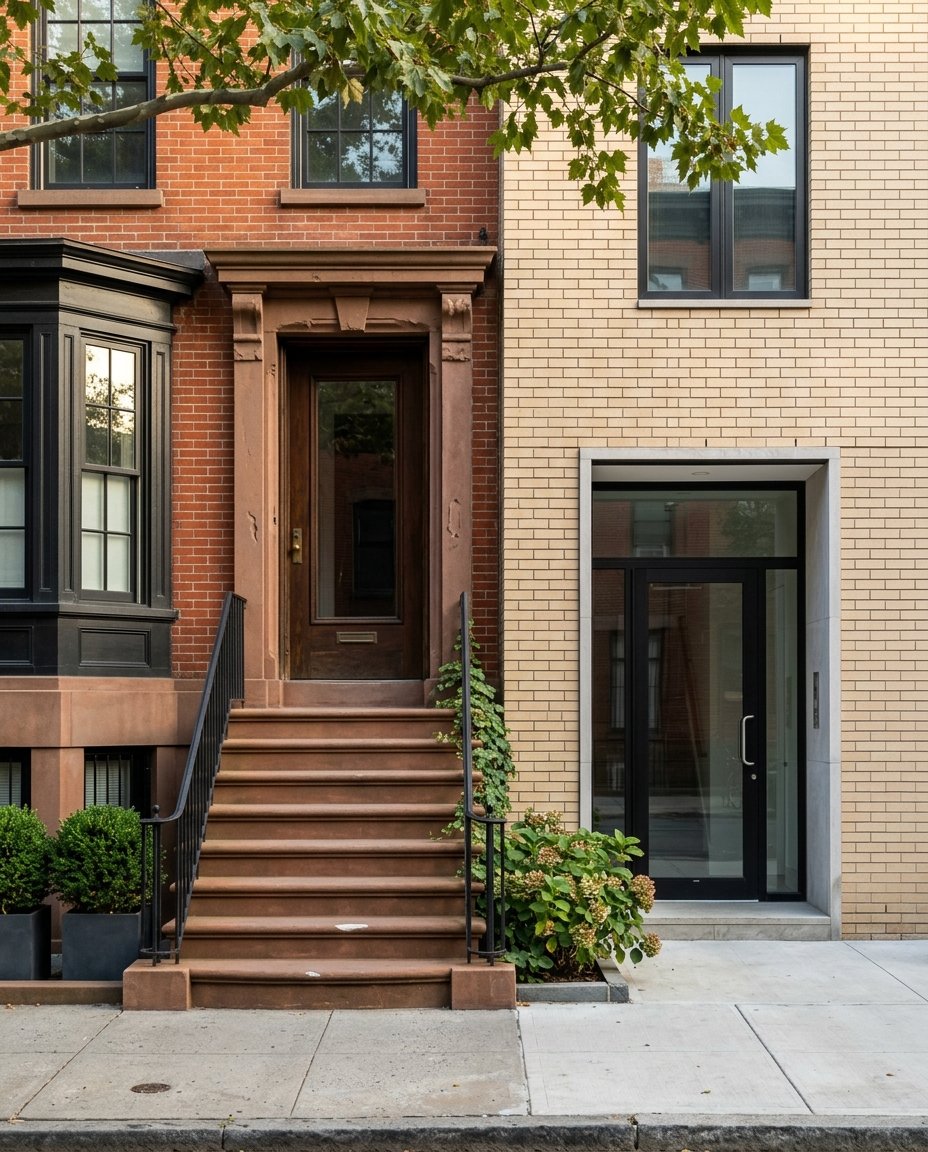
Choosing Between Brownstone And Condo In Park Slope
July 16, 2026
July 16, 2026
Wondering whether a Park Slope brownstone or condo is the better fit for your life and budget? You are not alone. In a neighborhood known for historic rowhouses, strong demand, and a wide range of ownership styles, the right choice often comes down to how you want to live, what kind of maintenance you can handle, and how much flexibility you need. This guide will walk you through the biggest tradeoffs so you can make a smarter Park Slope decision. Let’s dive in.
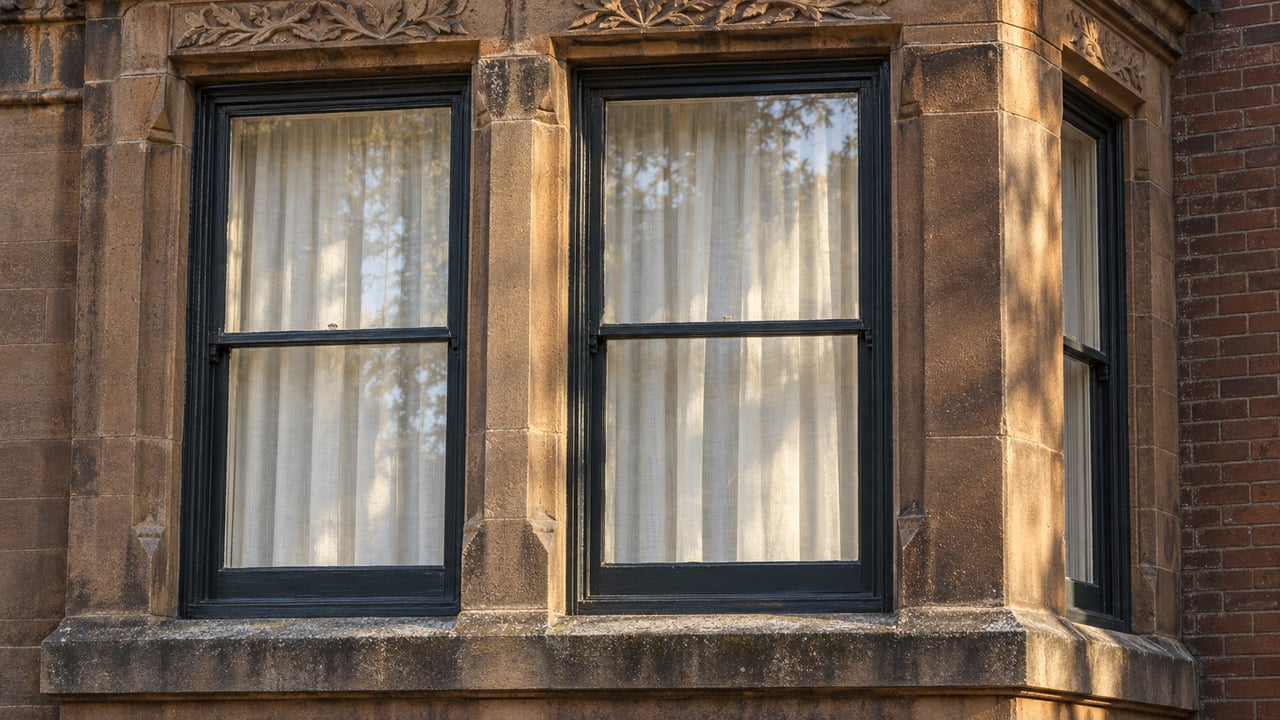
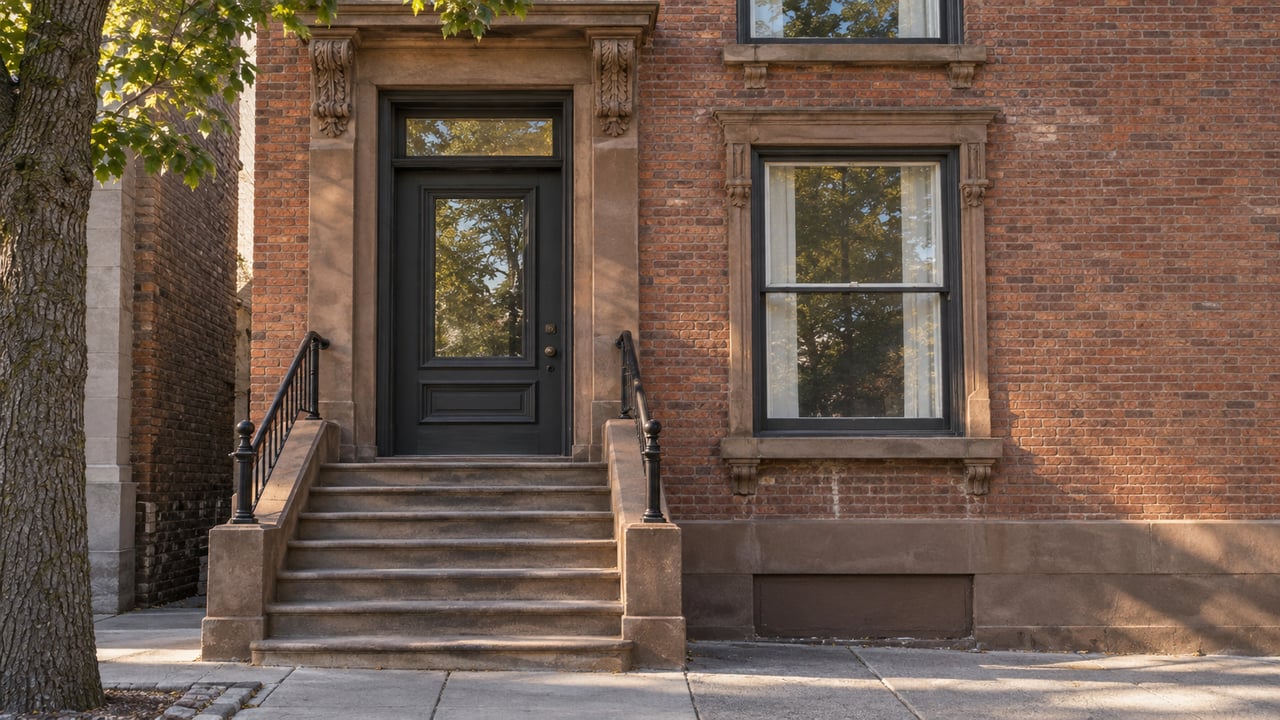
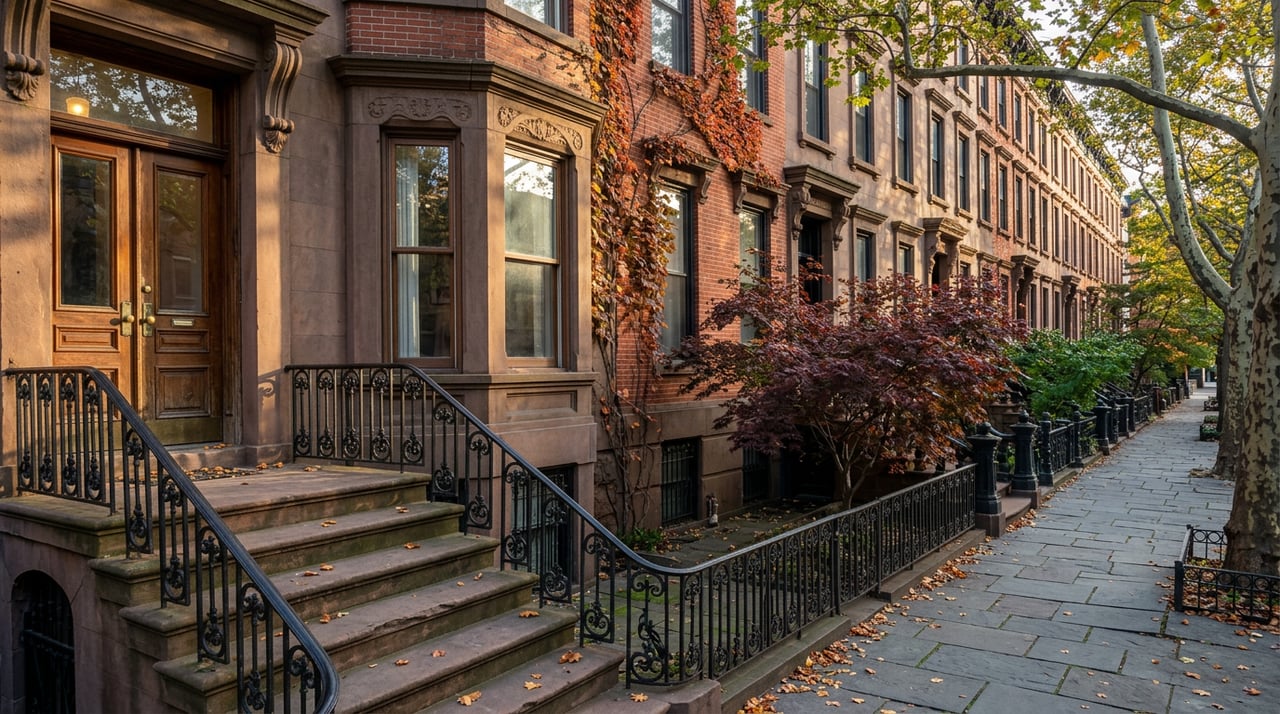
Park Slope is closely tied to its historic housing stock. New York City Planning describes it as one of Brooklyn’s most prized brownstone neighborhoods, and the Park Slope Historic District covers 44 blocks. That means many homes here offer real architectural character, but they can also come with preservation rules that affect exterior work.
This matters because a brownstone-versus-condo decision in Park Slope is not just about style. It is also about ownership structure, monthly costs, repair responsibility, and how much control you want over the property itself. In a market where the median sale is around $1.9 million and brownstones can easily reach $3 million or more, the stakes are high.
Before you compare lifestyle and cost, it helps to understand what you are actually buying.
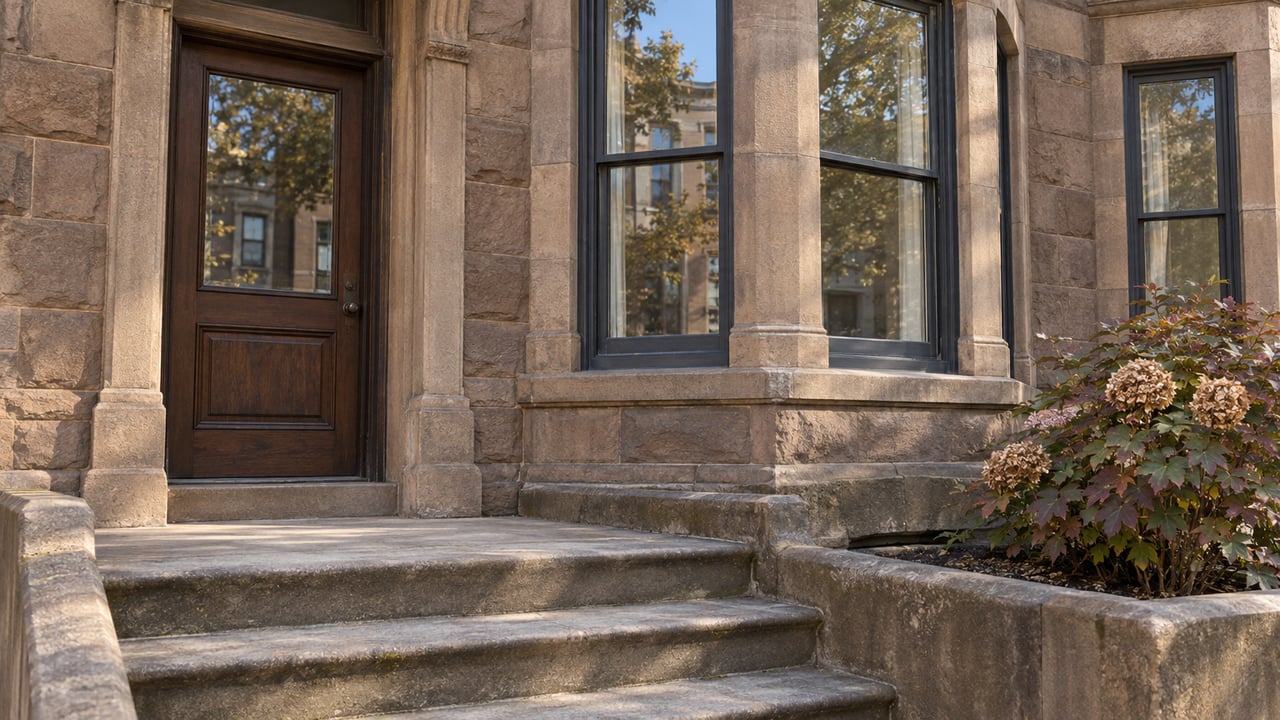
In Park Slope, a brownstone usually refers to a historic rowhouse. In most cases, you own the whole house by deed, not just an apartment within a building. That gives you broad control over the property, but it also means you are responsible for the roof, facade, plumbing, heating, and other major systems.
If the home is in a landmark district, exterior work often requires approval from the Landmarks Preservation Commission. Owners are also expected to keep landmarked buildings in good repair. So while a brownstone can offer privacy and flexibility, it comes with a very hands-on ownership experience.
A condo gives you title to an individual unit along with an interest in the building’s common elements. You own your apartment, but shared parts of the property are managed at the building level.
Condo common charges are usually paid separately from your mortgage. These charges often help cover exterior and common-area maintenance, and may also include items like water, sewer, trash, reserves, or amenities. That does not make condo ownership maintenance-free, but it often makes ongoing costs more predictable.
For many buyers, the biggest difference is how the home feels day to day.
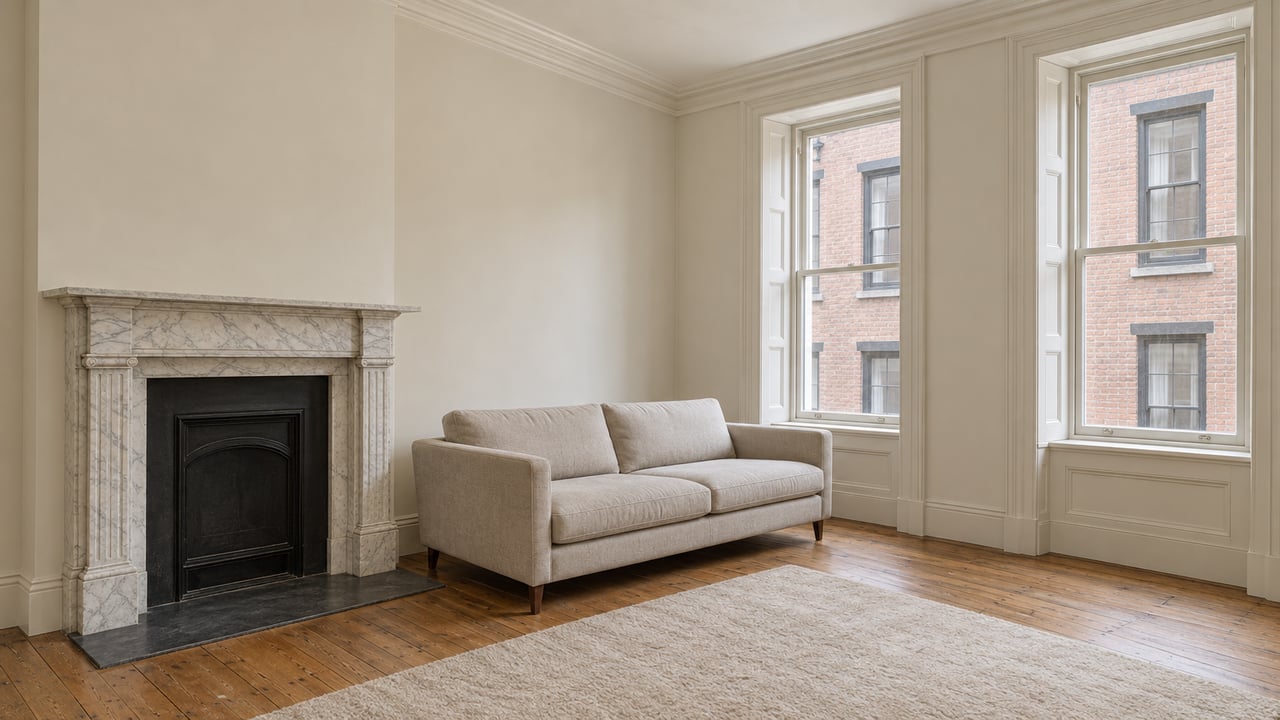
A brownstone usually gives you the most house-like experience in Park Slope. You may have multiple floors, more separation of space, and more direct control over how the home functions.
That setup can appeal to buyers who want privacy, room to spread out, or the freedom to make decisions about the building over time. If you want ownership that feels closest to owning a standalone home, a brownstone often checks that box.
A condo is usually a better fit if you want ownership without managing an entire building. You still build equity through ownership, but many property responsibilities are shared through the building structure.
This can make condo living feel more streamlined. If your priority is a more standardized ownership experience with fewer house-scale obligations, a condo may feel more practical.
In Park Slope, maintenance is not a small detail. It is often the factor that separates a dream purchase from a stressful one.
When you buy a brownstone, you take on direct responsibility for major repairs and improvements. That includes both visible issues and behind-the-scenes systems.
Because many Park Slope brownstones are older and may be landmarked, repair work can be more involved. Exterior changes may require LPC approval, which adds another layer to planning and timing. You should go into a brownstone purchase expecting variability in repair costs over time.
With a condo, many building-related expenses are shared through monthly common charges. According to the Consumer Financial Protection Bureau, those costs are separate from the mortgage and often range from a few hundred dollars to more than $1,000 per month.
That structure can make monthly budgeting easier, even if total ownership costs are still substantial. You are not avoiding maintenance entirely, but you are often smoothing out the financial surprises that can come with whole-house ownership.
Two properties can have similar asking prices but very different buying processes.
Each condo unit has its own title and deed, which tends to make the ownership structure easier to understand from a lending standpoint. Even so, lenders do not evaluate only your finances. They also review the condo project itself.
That review may include the building’s financial stability, insurance, physical condition, debts, lawsuits, and inspections. In other words, buying a condo means looking closely at the health of both the unit and the building.
A brownstone avoids the condo project review process because you are not buying into a shared building structure. But that does not make the purchase simple.
Instead, your due diligence shifts toward the building itself. You will want a clear picture of condition, repair history, permits, and any issues tied to age or upkeep. In Park Slope, landmark status can also affect how future exterior work gets handled.
Both brownstones and condos can hold strong appeal in this neighborhood, but they attract buyers in different ways.
Park Slope remains one of New York City’s most-searched sales neighborhoods, and its historic rowhouse stock is limited. That scarcity supports long-term appeal, especially for buyers who value original architecture and classic Brooklyn housing.
Because these homes are not easy to replicate, brownstones can carry a strong premium. Their value story is often tied to character, control, and limited supply.
Condos may have an edge in resale simplicity because the ownership structure is more familiar and financing is often more straightforward than in co-ops. That can widen the potential buyer pool.
For some buyers, that easier entry point matters just as much as square footage or charm. If resale flexibility is high on your priority list, a condo can be a compelling option.
If you are trying to choose between a brownstone and a condo, start with the realities of your budget, your schedule, and your comfort with ongoing upkeep.
In Park Slope, the choice is often shaped by what is realistic, not just what sounds ideal. With a neighborhood median sale around $1.9 million and brownstones often well above that level, many buyers are deciding whether they truly want house-scale ownership or whether a condo is the better path into the neighborhood.
That is why it helps to think beyond the purchase price. Monthly carrying costs, repair reserves, building condition, and your tolerance for complexity all matter. The best choice is the one that supports your life after closing, not just your wish list during the search.
If you are weighing a brownstone against a condo in Park Slope, local context matters. From landmark rules to pricing spreads to the realities of older housing stock, a neighborhood-specific strategy can save you time and help you avoid expensive surprises. When you are ready for tailored guidance, The Mazurek Team can help you evaluate the tradeoffs and find the right fit.
Stay up to date on the latest real estate trends.


With a proven track record and a commitment to excellence, The Mazurek Team offers a tailored, hands-on approach designed to deliver exceptional results.