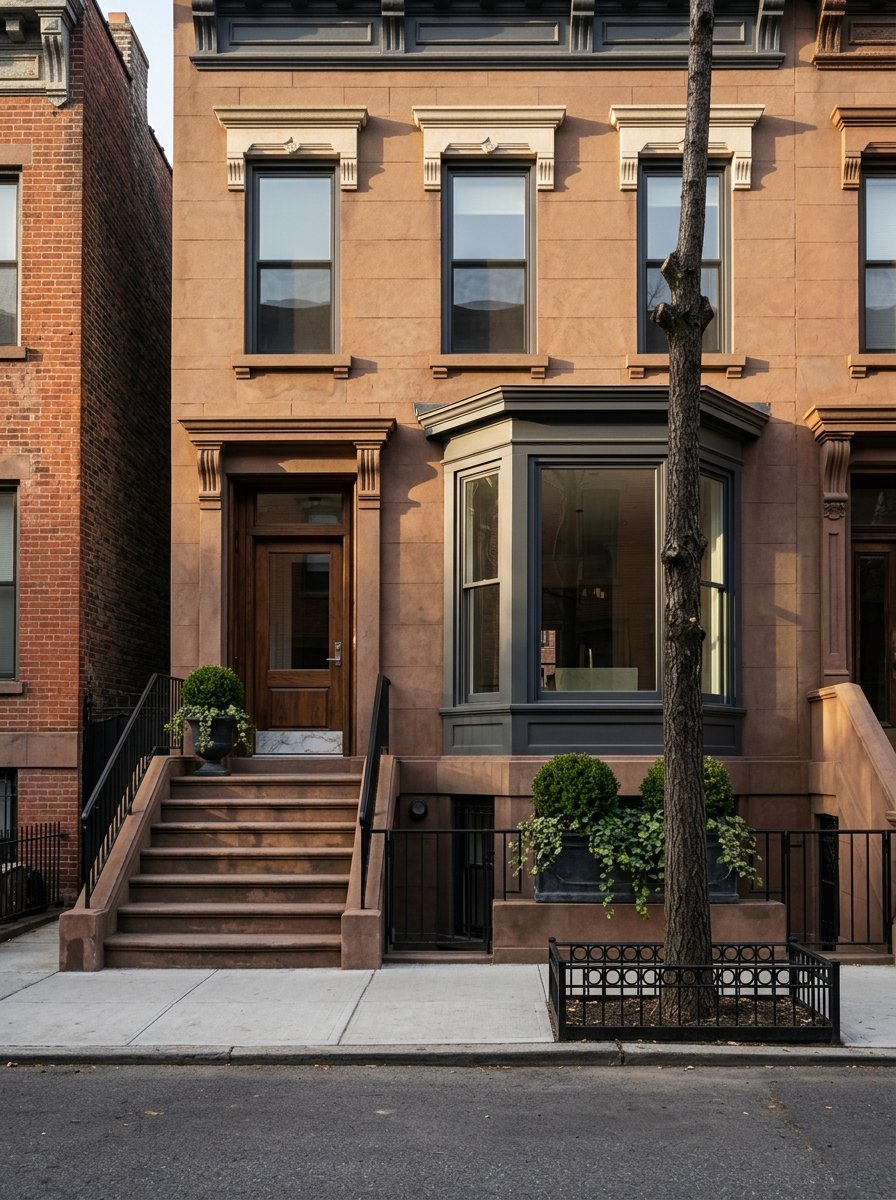
Preparing Your Park Slope Townhouse For Today’s Buyers
July 2, 2026
July 2, 2026
If you are getting ready to sell a Park Slope townhouse, you are not just putting a house on the market. You are presenting a historic property, a block, and a lifestyle that buyers will compare closely against other high-value homes. The good news is that the right prep does not have to mean a full renovation. It means making your home feel clear, cared for, and easy to imagine living in. Let’s dive in.
Park Slope is one of Brooklyn’s most architecturally distinguished areas, with a strong residential character and many well-preserved blocks within the historic district. That means buyers often arrive with high expectations for both charm and condition. They are not only looking at square footage. They are noticing how well a home honors its architecture while meeting today’s needs.
The local market also supports a thoughtful approach. Recent data showed a Park Slope median sale price of about $1.86 million for all homes in May 2026, while houses reached a median of $5.6 million in April 2026 across a small number of sales. In a market like that, presentation can shape how buyers react from the first photo to the final showing.
Before you think about cosmetic upgrades, focus on the basics that help your townhouse feel clean, calm, and well maintained. National staging guidance shows that sellers are most often advised to declutter, clean the entire home, and improve curb appeal first. In a Park Slope townhouse, those simple steps often do more to reveal original details than an expensive but unfocused refresh.
A buyer walking into a brownstone or limestone wants to see the architecture, not the distractions. If your rooms feel crowded, dark, or overpersonalized, buyers may miss the ceiling height, moldings, mantelpieces, stair details, or window light that make these homes special. The goal is to let the house speak clearly.
Remove extra furniture, crowded bookshelves, bulky storage pieces, and anything that blocks sightlines. Historic townhouses often have beautiful proportions, but they can also have narrower rooms or more segmented layouts. A lighter setup helps each room feel easier to understand.
Pay special attention to entry areas, stair landings, living rooms, and the path to the garden or rear outdoor space. Buyers need to move through the home without confusion. If circulation feels smooth, the whole house tends to feel larger and more functional.
Clean homes signal care. In older properties, dust on moldings, smudged windows, worn grout, or dingy baseboards can make buyers wonder what else has been overlooked. A true deep clean should include floors, windows, trim, tile, radiators, light fixtures, and built-ins.
This is especially important because buyers in this segment are often comparing expensive options. If your home feels crisp and ready, buyers can focus on its strengths instead of mentally adding up work.
The exterior sets expectations before buyers even step inside. In Park Slope, that includes the stoop, iron railings, front door, house numbers, planters, and the general condition of the facade. Even modest improvements can make the home feel more polished and better cared for.
Simple maintenance usually has strong payoff here. Sweeping the stoop, touching up paint where appropriate, cleaning glass, and making the entry feel welcoming can support a stronger first impression.
One of the biggest challenges in older Brooklyn homes is layout clarity. Buyers care deeply about floor plan fit, and many say a floor plan helps determine whether they want to see a home at all. In a townhouse, that matters because the relationship between parlor, garden, basement, and upper floors is not always obvious online.
Your job is to make the home’s flow feel legible. Buyers should quickly understand where daily life happens, where private rooms are, and how indoor and outdoor spaces connect.
Arrange furniture to show each room’s purpose clearly. If a space could be read two ways, choose the use that feels most natural and useful for the likely buyer. Avoid layouts that make rooms feel cramped or that hide how one floor connects to the next.
This is especially important in garden and lower levels. If access to the yard, storage, laundry, or recreation space feels confusing, buyers may undervalue those areas. Clear staging helps them see the full function of the townhouse.
A floor plan is not just a marketing extra for a Park Slope townhouse. It is often a practical tool that helps buyers understand split levels, room sequence, and outdoor access before they visit. That can improve the quality of showings because buyers arrive with a clearer mental map of the home.
When buyers can read the layout quickly, they are more likely to focus on lifestyle and fit instead of trying to decode the structure of the house.
You do not need to stage every room equally. Buyer research shows the living room matters most, followed by the primary bedroom and kitchen. Those are smart places to invest if you want the home to feel polished without overspending.
In a Park Slope townhouse, the main public rooms often carry a lot of emotional weight. They are where buyers imagine relaxing, hosting, and enjoying the character of the home.
The living room and dining area often showcase the best proportions and original details. Clean lines, a restrained color palette, and furniture scaled to the room can help buyers appreciate ceiling height, fireplaces, millwork, and natural light.
If your dining room or parlor is heavily personalized, simplify it. Buyers do not need to see your exact style. They need to picture their own life in the space.
A calm, well-edited primary bedroom helps buyers feel that the home offers retreat as well as character. Crisp bedding, balanced lighting, and minimal decor usually work better than bold colors or oversized furniture. Keep closets and storage areas neat, since buyers also care about storage.
You do not need a full kitchen remodel to improve presentation. Clear counters, organized open shelving, fresh lighting, and minor hardware fixes can make the space feel more current. Buyers often respond well to kitchens that feel functional, bright, and clean.
Natural light has become a major buyer priority, and current design trends continue to favor brighter, more connected indoor-outdoor living. In a townhouse, that means you should actively prepare each room to feel as open and light-filled as possible.
Even beautiful homes can feel smaller if they are too dark. The fix is often simpler than sellers expect.
Open blinds and shades fully for photography and showings. Remove heavy drapes if they block light, and replace dim bulbs with warmer, brighter options that flatter the room. Clean windows thoroughly, since grime can noticeably reduce light.
Also take a hard look at furniture placement. Oversized dark pieces can weigh down a room and make circulation feel tight. Lighter, better-scaled furnishings often help the home read as more spacious.
If your townhouse has a rear garden, terrace, or stoop seating area, make that connection visible. Buyers place real value on private outdoor space, and even a modest yard can feel like a major benefit in Brooklyn. The key is to present it as usable, not as an afterthought.
Stage outdoor areas simply. Sweep surfaces, trim plantings, add basic seating if appropriate, and make access points easy to see from inside.
In an older home, visible maintenance often carries more weight than sellers realize. Buyers care about air conditioning, storage, and energy efficiency, and they tend to view small defects as clues about overall upkeep. A sticky door or drafty window may seem minor, but it can shape confidence.
The best approach is to fix obvious issues before listing. That helps the home feel cared for and reduces avoidable distractions during showings and inspections.
Test air conditioning performance, replace filters, and make sure thermostats, vents, and controls are functioning properly. If systems are noisy, inconsistent, or visibly neglected, buyers may assume larger deferred maintenance. Even small tune-ups can improve the impression of readiness.
Walk through the townhouse as if you were seeing it for the first time. Look for loose hardware, sticking windows, peeling paint, cracked caulk, worn weatherstripping, and doors that do not close cleanly. These are the kinds of details buyers notice quickly.
In a market that values energy efficiency more than it once did, windows and doors matter not just for appearance, but for comfort and operating costs too.
This is where Park Slope sellers need to be especially careful. Because much of Park Slope is within a historic district, exterior work may require Landmarks Preservation Commission approval. That includes restoration, replacement, alterations, reconstruction, demolition, and new construction that affects the exterior, even if some work is not visible from the street.
Interior work can also require review if it needs a Buildings Department permit or affects the exterior. So if you are thinking about replacing windows, reworking the stoop, changing the front door, or doing facade-related work before listing, check timing and requirements early.
Ordinary exterior repairs and maintenance such as replacing broken window glass, caulking, touch-up paint, and low-pressure washing generally do not require LPC approval. That is helpful for sellers because it means many appearance-related maintenance items can be handled without a major delay.
LPC also notes that most permit approvals are issued at staff level. Still, the smartest move is to confirm any planned exterior project before you build your listing timeline around it.
Landmarked properties must be kept in a state of good repair. In practical terms, that means peeling paint, neglected facades, aging windows, or worn stoops can raise more than cosmetic concerns. They may also prompt buyers to think about preservation responsibilities and future maintenance.
That does not mean you need to over-improve. It means you should avoid launching with visible issues that make the home feel neglected.
Today’s buyers are not only choosing a townhouse. They are choosing a neighborhood experience. Buyer research shows that neighborhood quality and convenience to friends and family rank highly, and walkability remains especially important.
For a Park Slope listing, that means your marketing should communicate both the home and its setting. Tree-lined blocks, architectural character, nearby amenities, and the feel of townhouse living all matter. The strongest presentation connects the property’s details to the lifestyle buyers hope to find.
If you want the short version, here is the order of operations that usually makes the most sense for a Park Slope townhouse:
This kind of prep respects what Park Slope buyers actually care about. It also helps you avoid spending money where it is less likely to improve buyer response.
If you are thinking about selling, the best first step is often a realistic walkthrough with a local team that understands Brownstone Brooklyn housing stock, buyer expectations, and the details that shape value. The Mazurek Team can help you assess what to fix, what to leave alone, and how to position your townhouse for today’s Park Slope market.
Stay up to date on the latest real estate trends.
With a proven track record and a commitment to excellence, The Mazurek Team offers a tailored, hands-on approach designed to deliver exceptional results.