Your Park Slope Guide to Living Near Prospect Park
July 9, 2026
July 9, 2026
If you are thinking about living near Prospect Park in Park Slope, you are not just choosing a pretty view. You are choosing a daily routine shaped by one of Brooklyn’s most important public spaces, along with all the energy, convenience, and tradeoffs that come with it. If you want a clearer picture of what that lifestyle really feels like block by block, this guide will help you sort through the details. Let’s dive in.
Living near Prospect Park often means the park becomes part of your normal week, not just a place you visit once in a while. NYC311 says the park covers more than 526 acres, is open from 5 a.m. to 1 a.m., and has been closed to motor vehicles since 2018. That car-free setting helps create a calmer atmosphere than many other major city green spaces.
For many Park Slope residents, the park works like neighborhood infrastructure. East Drive and West Drive run between Park Circle and Grand Army Plaza, and daily routines often revolve around walking, running, cycling, meeting friends, or taking a quick loop after work. In practice, that means your outdoor time can feel easy and repeatable, not something that needs much planning.
The park also draws about 10 million visits each year, according to Prospect Park Alliance. That helps explain why some entrances and event areas feel lively at predictable times. If you live nearby, you benefit from that activity, but you also feel it more directly than someone several blocks farther away.
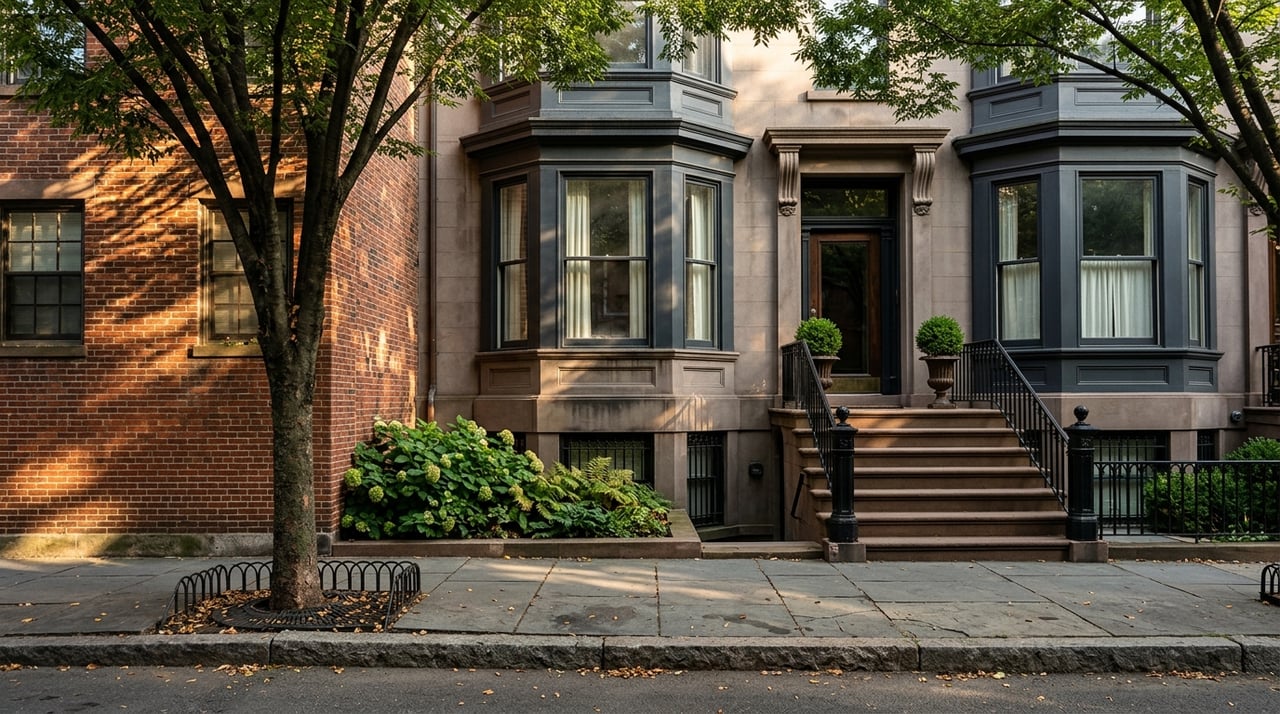
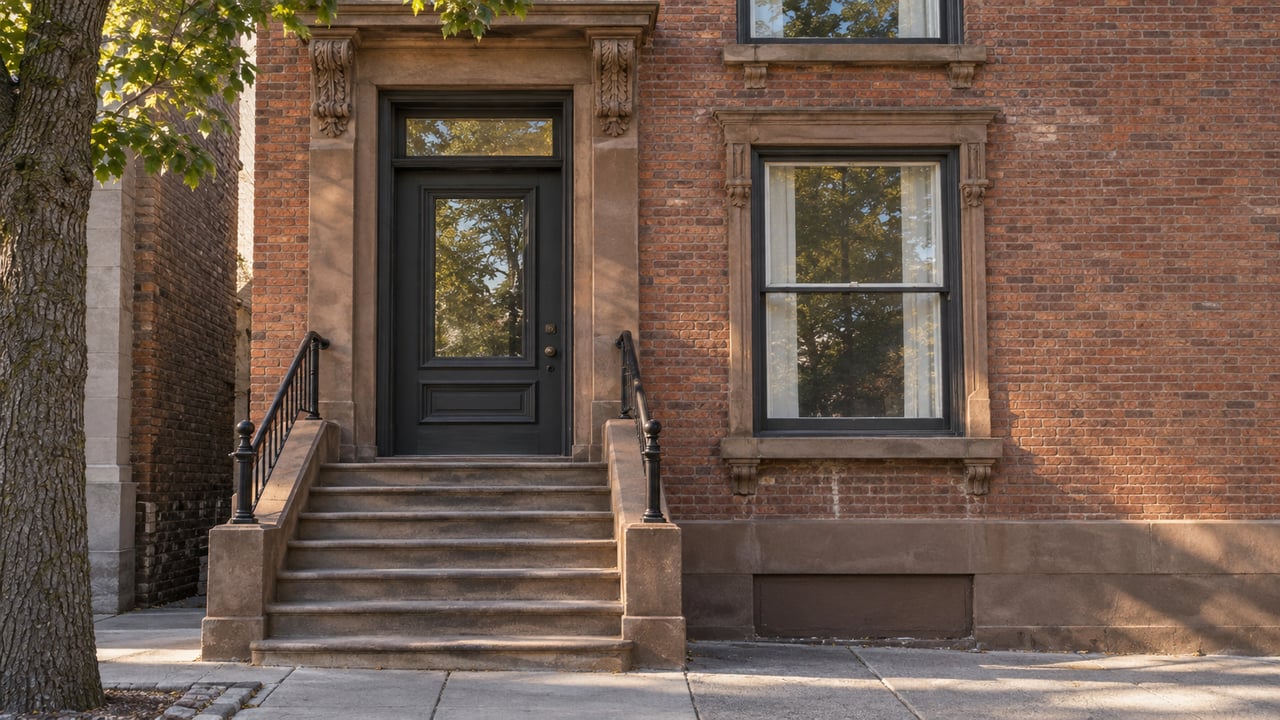
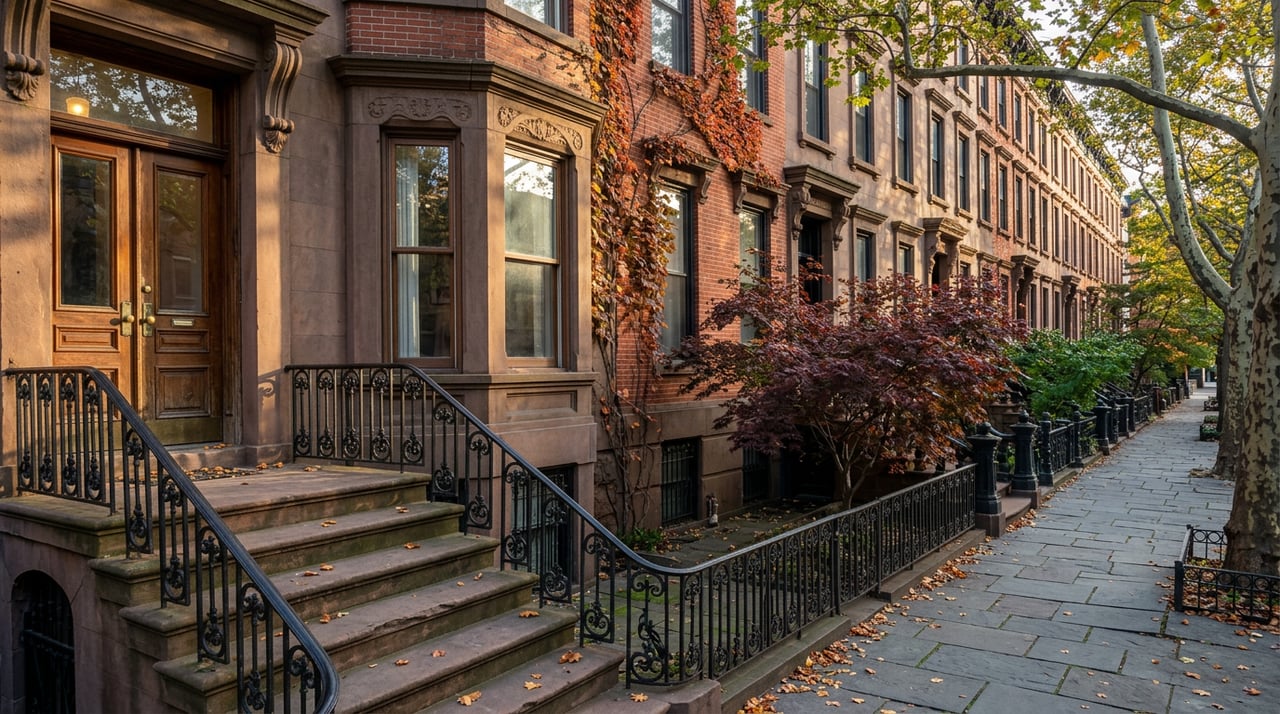
The appeal of living near Prospect Park is not only about the park itself. It is also about the surrounding neighborhood fabric, especially the historic streets, row houses, and consistent residential scale that define much of Park Slope.
The Landmarks Preservation Commission describes the area as cohesive because of its tree-lined streets, modest scale, predominantly residential character, and strong architectural integrity. In the Park Slope Historic District Extension II alone, there are 292 buildings, most built between 1865 and 1900. That built environment is a major reason the blocks near the park feel so distinctly Brooklyn.
For buyers, that character often translates into a strong sense of place. For sellers, it supports the value story because the home is part of a larger historic streetscape, not an isolated property. The result is a neighborhood where the setting matters almost as much as the square footage.
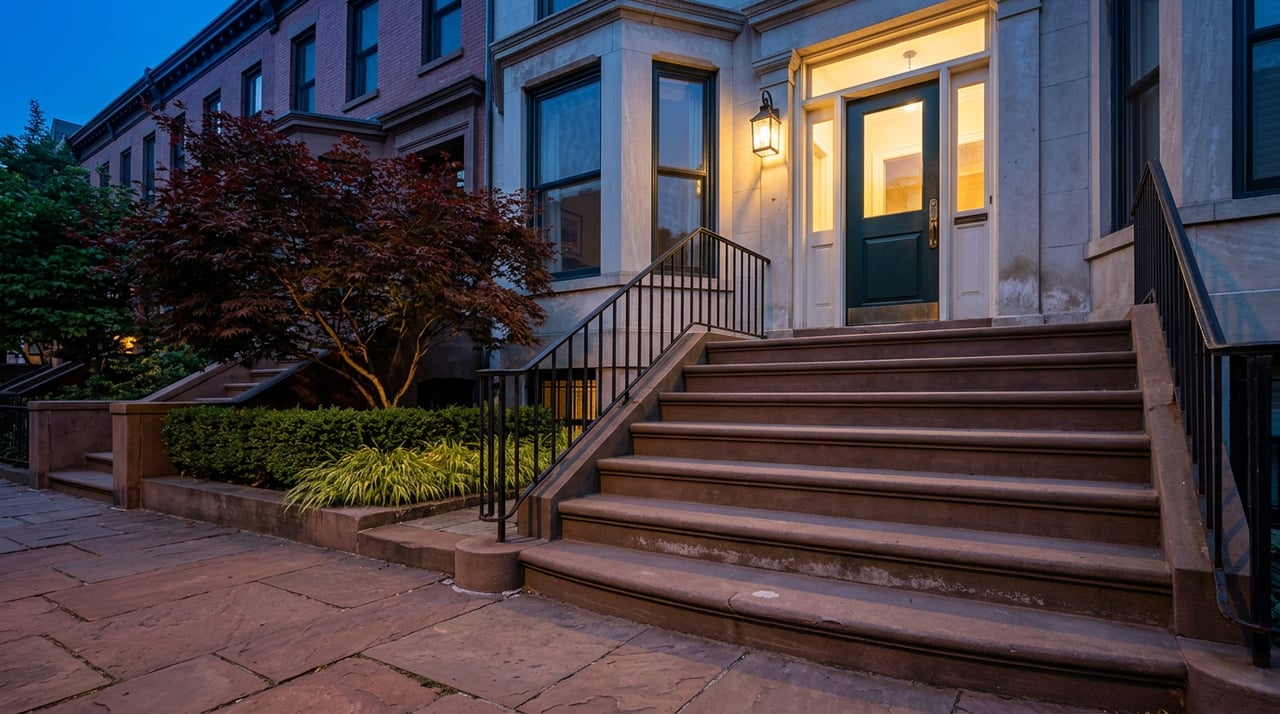
If you are looking at a brownstone, limestone, co-op, condo, or townhouse near the park, it is important to understand whether the property is landmarked. Exterior work on a designated property does not follow the same process as work on a non-designated home.
The Landmarks Preservation Commission says permit applications for designated landmarked properties are now handled through Portico, its web-based portal, and filings are no longer accepted outside that system. That does not make ownership harder by default, but it does mean exterior changes may require more review and planning. In a neighborhood valued for preservation, that is part of the tradeoff.
For many homeowners, this is a worthwhile exchange. The same rules that shape your options can also help preserve the block’s visual consistency over time. That stability is part of what many buyers are seeking when they focus on Park Slope.
One of the biggest shifts people notice when they live near Prospect Park is how naturally outdoor time enters the week. A short walk to the park can turn into a morning stroll, an evening run, or a quick reset between errands.
The park also supports wellness routines beyond basic exercise. Prospect Park Alliance currently lists Friday morning Wellness Walks, Thursday morning Stroller Walks, Dance Fitness at the Boathouse on Saturdays, and health services at Grand Army Plaza and the Parkside plus Ocean Avenue entrance. That gives the park a civic, everyday quality that goes beyond recreation.
If you value flexible, low-pressure access to green space, this can be one of the strongest lifestyle advantages in Park Slope. Instead of planning around the park, you often end up planning through it. That is a subtle difference, but it matters in daily life.
For dog owners, Prospect Park is a real asset, but it works best when you understand the shared-use rules. Prospect Park Alliance says dogs may be off-leash only in designated areas, including the Long Meadow, Nethermead, Peninsula Meadow, and Kensington Dog Run, from 6 a.m. to 9 a.m. and 9 p.m. to 1 a.m.
At all other times and in all other areas, dogs must be leashed. Dogs must also be leashed at Dog Beach except during off-leash hours. If you are house hunting with a dog in mind, these details are worth knowing because they shape how convenient the park feels day to day.
Weekends near Prospect Park often feel active, social, and seasonal. That can be a major plus if you want built-in neighborhood energy, but it is something to weigh if you prefer a quieter environment.
Saturday mornings are anchored by the Grand Army Plaza Greenmarket. GrowNYC says this year-round market has served Park Slope and nearby neighborhoods since 1989 and runs every Saturday from 8 a.m. to 4 p.m. at Prospect Park West and Flatbush Avenue. For many residents, that makes it a natural stop before or after a walk in the park.
During warmer months, Breeze Hill adds another layer of activity. Smorgasburg operates there every weekend from April through October, with entry at Lincoln Road and Ocean Avenue. That means some parts of the park edge can feel more like an event and food destination than a quiet residential backdrop on weekends.
If you live close to the Lena Horne Bandshell or other major gathering points, summer can feel especially vibrant. BRIC says Celebrate Brooklyn! is a free summer-long outdoor concert and performance series now in its 47th year in 2026, drawing upwards of 250,000 attendees each summer.
That cultural life is part of what makes the area special. At the same time, it is one of the clearest examples of the tradeoff that comes with prime park proximity. Some blocks will feel more event-driven, busier, and noisier than side streets farther from major entrances and venues.
For buyers, this is where block-level nuance matters. Two homes that are both described as “near Prospect Park” can offer very different day-to-day experiences depending on how close they are to Grand Army Plaza, the Bandshell, Lakeside, or Breeze Hill.
For households that want easy, repeatable outings, Prospect Park offers more than a single destination. The official park map highlights Children’s Corner, which includes the 1912 Carousel and Lefferts Historic House in season, along with the Zoo year-round.
It also identifies the Long Meadow, the Boathouse, and the LeFrak Center at Lakeside. Lakeside offers ice skating and hockey in winter, then roller skating, pickleball, boating, and music programming in summer. Duck Island Cafe is open daily with indoor and outdoor seating and views of the park.
That year-round mix is a big reason the park becomes part of everyday neighborhood life. Instead of treating it as a special weekend plan, many residents use it as a reliable go-to across seasons.
Living near Prospect Park can also mean easy access to quieter routines. Prospect Park Alliance and the Brooklyn Bird Club host Saturday introductory birdwatching outings, and the park’s Audubon Center is described as the first urban Audubon Center in the nation.
These walks are usually leisurely and cover about 1.5 to 2 miles. That detail says a lot about how locals use the park. Not every visit is about workouts or big events. Sometimes the draw is simply a slower reset in the middle of Brooklyn.
The park edge is also continuing to evolve. In March 2026, NYC DOT and Prospect Park Alliance broke ground on east side perimeter upgrades along Ocean and Parkside avenues, including a two-way protected bike lane, a new pedestrian plaza, and a redesigned entrance.
This work follows the Flatbush Avenue perimeter restoration, which created two new park entrances, the first since the 1940s. For residents, that points to a park edge that is becoming more pedestrian- and bike-friendly over time. If access and walkability matter to you, that is a meaningful part of the long-term picture.
If you are buying near Prospect Park, the biggest tradeoff is usually straightforward. You gain an outdoor-forward Brooklyn lifestyle anchored by a major car-free park, but you may also take on more foot traffic, weekend activity, and event-related noise.
The closest blocks to Grand Army Plaza, Lakeside, Breeze Hill, and the Bandshell are often the most affected by these patterns. Quieter residential side streets farther from those nodes can preserve more of the classic rowhouse feel. That is why broad neighborhood descriptions only go so far in Park Slope.
When you are comparing homes, it helps to think beyond distance to the park. You also want to consider which entrance you are near, how you plan to use the park, and how much activity feels like a benefit versus a burden.
For sellers, living near Prospect Park is usually best framed as a lifestyle premium, not just a visual one. The combination of immediate park access, a car-free recreational landscape, and a historic residential setting gives buyers a strong sense of why this location feels special.
The value story is often strongest when it is specific. A home near the Greenmarket, close to Lakeside, or on a quieter block with easy park access may appeal to different buyers for different reasons. The right positioning depends on the block, the property type, and how the home connects to the neighborhood’s daily rhythm.
That kind of detail matters in Brownstone Brooklyn, where buyers tend to weigh character, routine, and long-term fit just as carefully as finishes or square footage.
If you are thinking about buying or selling near Prospect Park, working with a team that understands Park Slope block by block can make the decision much clearer. The Mazurek Team can help you evaluate the lifestyle, pricing, and property-specific details that shape real value in this part of Brooklyn.
Stay up to date on the latest real estate trends.


With a proven track record and a commitment to excellence, The Mazurek Team offers a tailored, hands-on approach designed to deliver exceptional results.